EPA proposes easing oil and gas emissions rules, projects $45 billion in savings
EPA Region 6 administrator discusses what the proposal could change for Oklahoma and Texas families
LAWTON, Okla. (KSWO) - The Environmental Protection Agency is proposing to ease oil and natural gas emissions rules and is projecting $45 billion in savings for businesses and consumers.
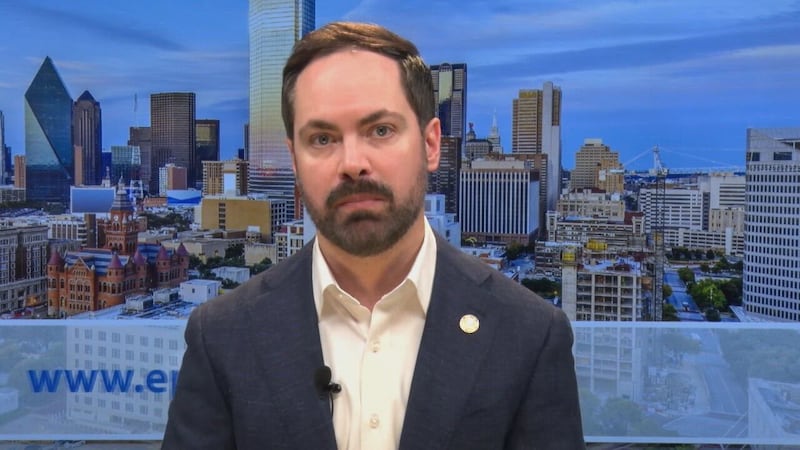
EPA Region 6 Administrator Scott Mason said in an interview that the proposal could change what Oklahoma and Texas families pay, and he described when relief could come.
Comment period
Mason said the proposal opens a 45-day comment period. He encouraged anyone who has a marginal well or works in oil and gas to comment on how the proposal would affect them at regulations.gov or epa.gov, where a hyperlink will be available.
“So again, this is a proposal,” Mason said.
Marginal wells
Mason said the proposal specifically helps people who have marginal wells. He said four out of every five wells in America are marginal, which he described as smaller, low-income-producing wells. He said some are in a back pasture on a family farm that has been in the family for generations.
Mason said rules imposed during the Biden era are so stringent that many marginal wells are at risk of being totally shut down. He said small farmers in western and southwest Oklahoma have depended on marginal wells for generations.
“We view this as unleashing American energy like never before and ultimately a cost savings to every single American,” Mason said.
He said the EPA is trying to cut regulatory burden and provide economic relief to marginal well owners, and that he believes the relief will also help every American because “our economy runs on oil and gas.”
Timeline
Mason said people can write 100 pages or a sentence in the comment period. He said the EPA will review every comment when the period closes and will make revisions to the proposal at the end of the 45 days if needed.
Within a few months, he said, the proposal would become part of a regulation and be signed into the Federal Register.
“So we’re talking months away, we’re not talking overnight, but we’re also not talking years,” Mason said. “We expect relief to trickle down to the average American within a matter of months.”
Mason said that in the year and a half since the administration took office, $1.6 trillion has been cut in regulatory costs. He said groceries and interstate commerce through the trucking system are among the areas that affect everyday life.
Five proposed changes
According to the EPA’s news release, the proposal includes five key regulatory changes:
- Certain well sites: The EPA is co-proposing two options to create separate categories and standards for well sites. The first option would categorize well sites by production level, marginal or non-marginal. The second would categorize them by resource type, conventional or unconventional.
- Super emitter program: The EPA is proposing to rescind the program that certified third-party monitors for so-called “super emitter” leak events and required states to do the same. The EPA cited legal concerns, questioned the necessity of the program and pointed to other practices that already give operators timely, actionable information to find and fix significant emission events that meet CAA requirements.
- Covers and closed vent systems: The EPA is proposing to split the “No Identifiable Emissions” aspect of covers and closed vent systems into design requirements and operational requirements. The operational requirements would allow for repairs.
- Associated gas: The EPA is proposing to restore 95% efficient flaring or other control devices as the best system of emission reduction. The current approach requires all associated natural gas from oil wells to reach a sales line, which the EPA said is not possible in all producing areas and raises serious legal and practical concerns.
- Control devices: The EPA is proposing technical changes to give flexibility for flame monitoring data deviations, control device alerts and visible emissions test conditions where appropriate.
Public hearing
A virtual public hearing on the proposal starts at 10 a.m. Eastern time Nov. 16 and 17. You can found out more information and register for that public hearing here. The public comment period is open through Dec. 16. You can provide public comments here.
Copyright 2026 KSWO. All rights reserved.